AlgemeenNRC
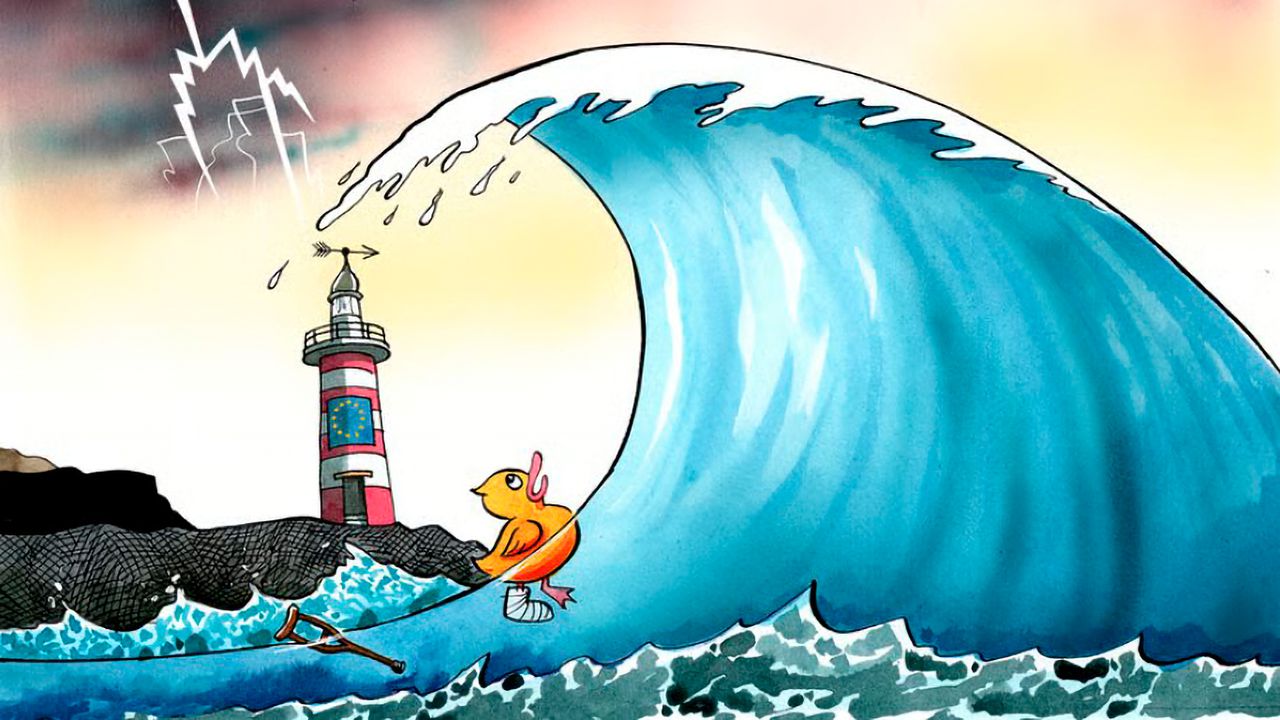
Europe’s lame-duck year could hardly come at a worse time
Every organisation has an idle period when getting things done becomes all but impossible: universities feel eerily quiet over summer, most offices are dormant over Christmas. Europe may be entering such a period, but one that will last the best part of a year. On October 5th Pedro Sánchez, the embattled Spanish prime minister, called early elections that will be held in late November. The starting gun has thus been fired unexpectedly early on a marathon of voting, from France to Finland by way of Greece, Poland and Italy, that will see over half of all citizens of the European Union elect new national leaders between now and the end of 2027. Until the ballots are counted, almost every awkward decision at EU level will come with an irresistible alternative: wait until after the election. A continent confronted by war, weak growth and geopolitical upheaval is headed into enduring political paralysis at a painfully inopportune moment.
Je gaat naar de website van de uitgever. Hier tonen we alleen een korte intro.